

Roll-down patio screens make outdoor living feel easier. They block bugs, soften sunlight, add privacy, and help you enjoy a porch, deck, cabana, or covered patio without feeling boxed in. Like any exterior feature, patio screens collect dust, pollen, rain spots, cobwebs, and everyday debris over time.
The good news is simple. You don’t need harsh cleaners, fancy tools, or a full afternoon to keep roll-down screens looking sharp. A careful cleaning routine protects the screen mesh, helps the system move smoothly, and keeps your outdoor space more comfortable through the seasons. This guide will help you clean your roll-down patio screens correctly.
Know Your Screens
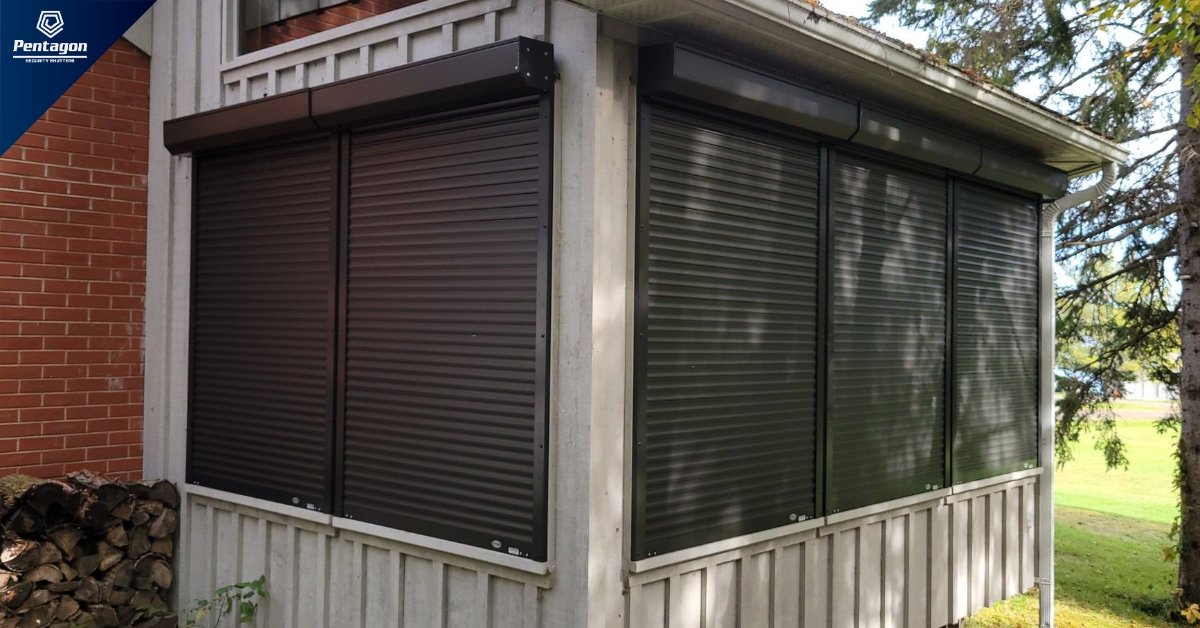
Roll-down patio screens use flexible mesh that moves vertically along side tracks or guides. The mesh needs gentle care because aggressive scrubbing can stretch fibers, weaken edges, or push dirt deeper into small openings. The housing, tracks, bottom bar, and fasteners also need attention because grime can cause the screen to drag or close unevenly.
Start by looking at how the screen moves. Lower the screen fully and watch both sides. If one side hesitates, the tracks may need cleaning. If the bottom bar looks uneven, debris may block one side. A quick visual check helps you clean with purpose instead of guessing.
Gather Simple Tools
You’ll get the best results with basic supplies. Use a soft brush, microfiber cloths, a bucket, mild dish soap, and a garden hose with low pressure. A handheld vacuum with a soft brush attachment also helps with dry debris before water touches the screen.
Skip abrasive pads, stiff wire brushes, bleach, ammonia, and pressure washers. Those tools can damage mesh, scratch finishes, or force water into parts that don’t need soaking. Roll-down screens need patient cleaning, not force.
Choose the Right Day
Pick a mild, dry day if possible. Direct sun can dry soap too quickly, which can leave streaks or residue. Strong wind can blow dust back onto wet mesh and make the job more frustrating.
Morning or late afternoon usually works well. You’ll have enough light to see dirt, but the screen won’t heat up as much. Let the screen dry fully before rolling it back into the housing for long periods.
Start Dry
Lower the screen completely before cleaning. Keep the mesh flat and supported by the tracks. Then use a soft brush or vacuum attachment to remove loose debris from the mesh, bottom bar, side tracks, and housing area.
Work from top to bottom. This direction keeps dust from falling onto sections you already cleaned. Pay close attention to corners, where spiderwebs, leaves, and pollen tend to collect. Dry cleaning first makes the washing step faster and prevents mud-like smears.
Wash Gently
Mix a small amount of mild dish soap into a bucket of lukewarm water. Dip a microfiber cloth or soft sponge into the soapy water, then wipe the mesh with light pressure. Use long, steady strokes instead of hard circular scrubbing.
Clean both sides when you can reach them safely. If the patio layout limits access, clean the main exposed side well and rinse thoroughly. For screens near outdoor kitchens, grills, or high-traffic areas, spend extra time on spots that collect grease, smoke film, or fingerprints.
Don’t flood the housing or motor area. You can clean the visible exterior with a damp cloth, but you shouldn’t direct heavy water into the top enclosure.
Rinse With Care
Use a garden hose on a low setting to rinse away soap. Keep the spray soft and controlled. Aim water across the mesh rather than blasting straight into it.
Rinse until the water runs clear, and the screen no longer feels slippery. Soap residue attracts dust, so a careful rinse helps the screen stay cleaner longer. After rinsing, wipe the bottom bar and visible frame parts with a clean microfiber cloth.
Clean the Tracks
Tracks guide the screen and help the system operate correctly. Dirt, leaves, sand, and insect debris can create friction. When friction builds, the screen may move unevenly or make noise during operation.
Use a soft brush or vacuum to clear the tracks first. Then wipe the inside surfaces with a damp cloth. For stubborn grime, use mild soapy water and follow with a clean, damp cloth. Avoid heavy lubricant unless the manufacturer recommends a specific product. Many systems work best when tracks stay clean and free of sticky residue.
Remove Stubborn Spots
Some marks need extra patience. Tree sap, bird droppings, and dried mud can cling to mesh. Soak the spot with a damp cloth for a few minutes, then wipe gently. Repeat as needed.
Never scrape the mesh with a blade or rough tool. A scraper can cut fibers or distort the screen pattern. If a stain remains after gentle cleaning, leave it alone rather than damaging the mesh to chase a perfect finish.
Handle Mold and Mildew
Moisture, shade, and poor airflow can encourage mildew on patio screens. You may notice dark specks, a musty smell, or staining near the lower section of the screen.
Clean mildew with mild soap and water first. Use a soft brush with light pressure, then rinse well. Improve airflow around the patio when you can. Trim plants that press against the screen, move damp furniture cushions away from the mesh, and let the screen dry before rolling it up.
Protect the Finish
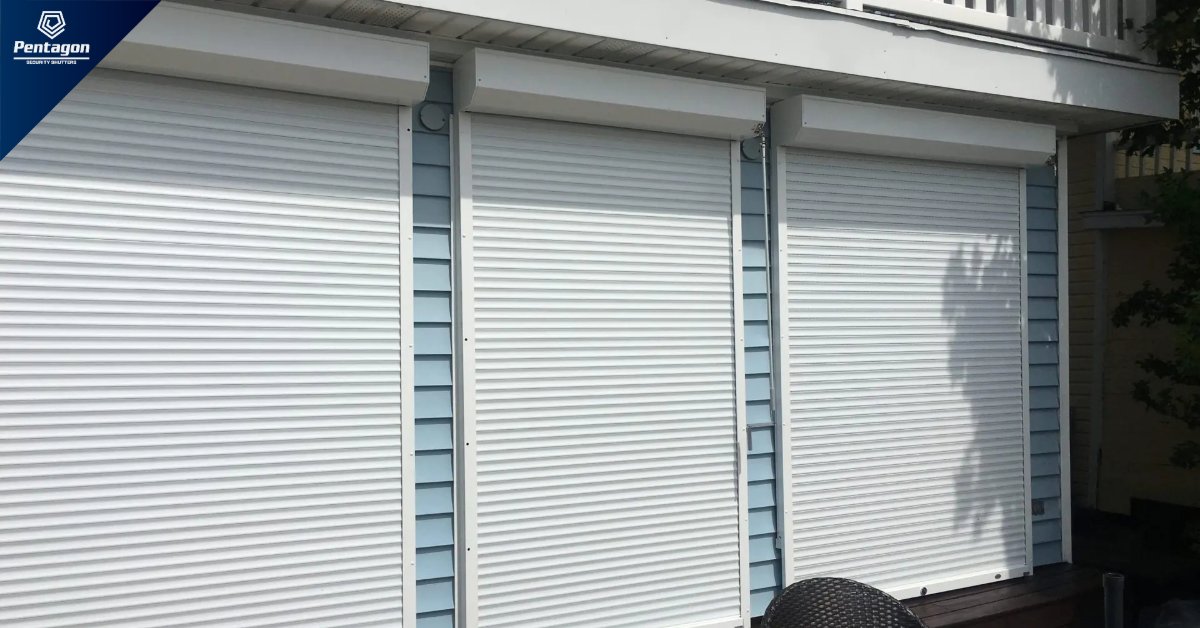
Roll-down patio screens often include coated aluminum components, bottom bars, and hardware. These finishes need gentle cleaning, too. Wipe visible parts with mild soap and water, then rinse with a damp cloth and dry with microfiber.
Pentagon Manufacturing focuses on aluminum-based rolling products, and that kind of construction benefits from routine surface care. Dirt and salt can dull finishes over time, especially near pools, lakes, and coastal air. Regular wiping helps the system look clean and professional without aggressive cleaners.
If your home also uses TranquilGuard protective window screens, keep the same gentle approach. Soft cloths, mild soap, careful rinsing, and complete drying help retractable screen systems stay cleaner and easier to use.
Dry Before Rolling
After cleaning, leave the screen lowered until the mesh dries. Good drying prevents trapped moisture inside the housing and reduces the chance of mildew. If you need to roll the screen up sooner, wipe excess water from the mesh and bottom bar first.
Check the tracks again before raising the screen. A clean, dry track helps the screen move evenly. Run the screen up and down once after cleaning, then stop if you hear grinding, see uneven movement, or feel resistance.
Set a Schedule
Most homeowners can clean roll-down patio screens a few times per year. Spring cleaning removes pollen and winter debris. Summer touchups help after heavy use, storms, or outdoor cooking. Fall cleaning clears leaves and dust before colder weather.
Homes near trees, water, construction, or busy roads may need more frequent care. Commercial spaces may need a routine that matches foot traffic and outdoor exposure. A café patio, storefront, stadium area, or mall entrance can collect grime faster than a quiet residential porch.
The best schedule depends on how the screens look and move. When the mesh looks dull, the tracks collect debris, or the bottom bar drags, the screens need attention.
Avoid Common Mistakes
Many screen problems start with rushed cleaning. High pressure can stretch mesh, harsh chemicals can discolor finishes, and rough tools can damage edges. Rolling up a wet screen can also trap moisture where air can’t circulate.
Another common mistake involves ignoring the tracks. Clean mesh looks great, but dirty tracks can still cause poor movement. Treat the screen and the operating parts as one system. That habit helps the screen look better and work better.
Keep Outdoor Living Easy
Clean roll-down patio screens make a big difference in how your outdoor space feels. Clear mesh improves visibility, clean tracks support smoother movement, and fresh-looking components help the whole patio look more cared for.
You don’t need a complicated routine. Use mild soap, soft tools, low wahter pressure, and a little patience. Clean before grime builds, let the screen dry fully, and pay attention to how the system moves. With steady care, your roll-down patio screens can keep ding what they do best, helping you enjoy shade, comfort, privacy, and protection whenever you want to step outside.